 By VIP Blog Editorial Team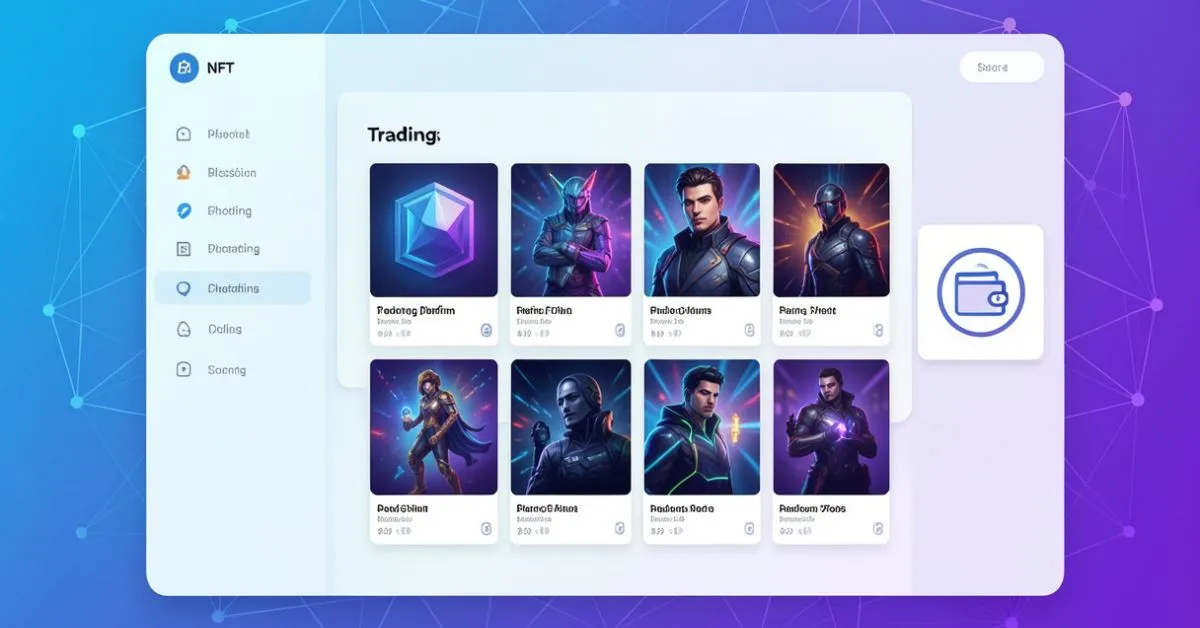
The NFT market continues to evolve rapidly, and new platforms emerge almost weekly. If you’ve come across eCryptoBit.com while researching NFT investment opportunities, you’re probably wondering whether it’s legitimate, how it works, and if it’s safe for your money.
With NFT scams costing Americans over $100 million in 2023 alone, according to the Federal Trade Commission, doing your homework before investing is not optional—it’s essential.
eCryptoBit.com NFT is an online platform claiming to offer NFT trading and investment services. It presents itself as a gateway to buying, selling, and managing non-fungible tokens, typically promising simplified access to the digital asset market for new and experienced investors.
This guide breaks down everything you need to know about the platform, how to verify its legitimacy, what risks exist, and smarter alternatives for NFT investing in the United States.
eCryptoBit.com positions itself as an NFT trading platform, but verification of its legitimacy, licensing, and security measures is critical before depositing any funds. This article covers platform features, red flags to watch for, safety verification steps, and trusted alternatives for US-based NFT investors.
eCryptoBit.com markets itself as a digital platform where users can participate in NFT trading and investment activities. The platform claims to provide access to various NFT collections, trading tools, and portfolio management features.
NFTs, or non-fungible tokens, are unique digital assets verified using blockchain technology. Unlike cryptocurrencies such as Bitcoin, each NFT is one-of-a-kind and cannot be exchanged on a like-for-like basis.
The platform typically promises:
- Access to trending NFT collections
- Simple buying and selling processes
- Portfolio tracking tools
- Investment opportunities in digital art and collectibles
However, the existence of a platform doesn’t automatically mean it’s trustworthy or properly regulated.
Most NFT platforms, including those similar to eCryptoBit.com, follow a basic operational model:
Registration and account setup: Users create an account with email verification and identity confirmation.
Wallet connection: The platform either provides a built-in wallet or requires connection to external wallets like MetaMask.
Deposit funds: Users deposit cryptocurrency (usually Ethereum) or sometimes fiat currency to fund their account.
Browse NFT collections: The platform displays available NFTs for purchase or auction.
Execute trades: Users can buy, sell, or bid on NFTs through the platform interface.
Withdrawal: Profits or assets can theoretically be withdrawn to external wallets or bank accounts.
The problem? Many fraudulent platforms follow this exact same structure while having no intention of allowing withdrawals.
Before using any NFT platform, especially lesser-known ones, look for these warning signs:
Legitimate platforms clearly identify their founders, team members, and company registration details. If eCryptoBit.com or any similar platform hides this information, that’s a major concern.
In the United States, platforms dealing with digital assets should comply with FinCEN regulations and state-specific money transmitter licenses. Check whether the platform displays this information.
If a platform guarantees specific returns on NFT investments, walk away. NFTs are highly speculative assets with no guaranteed value appreciation.
Check for HTTPS encryption, privacy policies, and terms of service. Missing or vague legal documentation indicates poor legitimacy.
Genuine platforms have active communities on Twitter, Discord, and other platforms. Fake testimonials or purchased followers are red flags.
Read user reviews carefully. Multiple complaints about withdrawal problems or frozen accounts signal potential fraud.
Before investing a single dollar, complete these verification steps:
Use WHOIS lookup tools to see when the domain was registered and who owns it. Newly registered domains (less than six months old) require extra caution.
Search for the company in official business registries. In the US, check with the Secretary of State office in the company’s claimed state of operation.
Legitimate platforms maintain active, verified social media accounts with genuine engagement, not just promotional posts.
Search beyond the platform’s own website. Check Reddit, Trustpilot, and crypto forums for unbiased user experiences.
If the platform claims to operate on specific blockchains like Ethereum or Polygon, you should be able to verify transactions through blockchain explorers like Etherscan.
Never deposit large sums initially. Test the platform’s deposit and withdrawal process with minimal amounts first.
Even on legitimate platforms, NFT investing carries substantial risks:
NFT values can swing wildly. An NFT worth $10,000 today might be worth $100 tomorrow, or vice versa.
Unlike stocks, you can’t always sell an NFT quickly. Finding a buyer at your desired price can take weeks or months.
Smart contract bugs, blockchain network issues, or platform hacks can result in permanent loss of assets.
The legal framework around NFTs continues evolving. Future regulations could impact platform operations or asset values.
The NFT space attracts scammers. From fake collections to rug pulls, fraud remains a significant concern.
If you’re interested in NFT investing, consider these established, regulated platforms:
The largest NFT marketplace with extensive verification processes, clear fee structures, and strong security measures. Based in New York, it operates with transparency and has processed billions in legitimate transactions.
Launched by the publicly-traded Coinbase exchange, this platform offers regulatory compliance, insurance on USD deposits, and integration with Coinbase’s secure wallet system.
A community-owned NFT marketplace with transparent governance and established security protocols. It supports multiple blockchains and has a track record dating back to 2020.
For sports enthusiasts, this officially licensed platform offers NBA-themed NFTs with clear ownership rights and a straightforward user experience.
These platforms aren’t risk-free, but they offer significantly more transparency, security, and regulatory compliance than unknown entities.
Whether you use eCryptoBit.com NFT or any other platform, follow these safety practices:
Store valuable NFTs in hardware wallets like Ledger or Trezor, not on exchange platforms.
Always activate 2FA on your accounts using authentication apps, not SMS.
Investigate the NFT creator, collection history, and market trends before purchasing any asset.
Never put all your money into NFTs. They should represent only a small portion of a diversified portfolio.
Document all transactions for tax reporting purposes. The IRS treats NFTs as property, making sales taxable events.
The NFT space evolves rapidly. Follow reputable crypto news sources and stay updated on scams and security best practices.
US investors must understand the legal landscape:
When you sell an NFT for profit, you owe capital gains tax. Short-term gains (assets held less than a year) are taxed as ordinary income, while long-term gains receive preferential rates.
Some states have additional regulations around digital asset trading. New York’s BitLicense, for example, requires platforms to obtain special licensing.
Cryptocurrency transactions over $10,000 must be reported to FinCEN. Failure to report can result in significant penalties.
Consider consulting a tax professional familiar with cryptocurrency before making substantial NFT investments.
When evaluating any NFT platform, including eCryptoBit.com, use this checklist:
| Trust Factor | What to Look For | Red Flag |
|---|---|---|
| Company Information | Clear founder details, business address, contact information | Anonymous team, P.O. box address, no phone support |
| Licensing | FinCEN registration, state licenses where applicable | No regulatory information displayed |
| Security Measures | 2FA, cold storage, insurance policies, security audits | Basic password-only login, no security information |
| Transaction History | Verifiable blockchain records, transparent fee structure | Unverifiable claims, hidden fees |
| User Reviews | Mixed reviews with verified purchases, active community | Only positive reviews, no community presence |
| Withdrawal Process | Clear terms, reasonable timeframes, successful user reports | Vague terms, withdrawal complaints, locked accounts |
No investment platform should require blind trust. Legitimate businesses welcome scrutiny and provide verifiable information about their operations, licensing, and security measures.
If eCryptoBit.com or any similar platform cannot clearly demonstrate these elements, your money is safer elsewhere.
The NFT market offers genuine opportunities, but only when approached through verified, regulated platforms with established track records.
The digital asset space offers exciting possibilities, but only careful, educated investors consistently succeed. Whether you’re considering eCryptoBit.com NFT or any other platform, your due diligence protects your capital.
Remember that legitimate platforms want educated users who understand risks. They provide clear information, maintain regulatory compliance, and build long-term reputations rather than promising quick riches.
Take time to verify, start small, and prioritize security over potential returns. The NFT market will still be here tomorrow—there’s no rush to jump in unprepared.
Ready to explore NFT investing safely? Start by opening an account on a verified, regulated platform, enable all security features, and commit to continuous learning about this evolving space.
Legitimacy requires verification of company registration, regulatory compliance, and user track record. Before using any platform, independently verify these factors through business registries, regulatory databases, and unbiased user reviews rather than relying on the platform’s own claims.
Use established platforms like OpenSea or Coinbase NFT that comply with US regulations, enable two-factor authentication, store assets in hardware wallets, and never invest more than you can afford to lose. Start with small amounts to test platform reliability before making larger investments.
The IRS treats NFTs as property, meaning sales trigger capital gains taxes. Short-term gains (under one year) are taxed as ordinary income, while long-term gains receive preferential rates. Keep detailed records of purchase prices, sale prices, and dates for all transactions to ensure accurate tax reporting.
Recovery is extremely difficult with cryptocurrency transactions due to their irreversible nature. Unlike credit card purchases, crypto transfers cannot be disputed or charged back. This makes prevention through thorough platform verification your only real protection.
Marketplaces like OpenSea connect buyers and sellers of existing NFTs, similar to eBay. Some platforms also offer investment schemes, staking, or managed portfolios. Marketplaces generally carry lower risk than platforms promising returns through proprietary investment programs.
Legitimate platforms typically process withdrawals within 24-48 hours, though blockchain network congestion can cause delays. If a platform requires weeks for withdrawals or creates arbitrary obstacles, consider it a serious warning sign.