
 By VIP Blog Editorial Team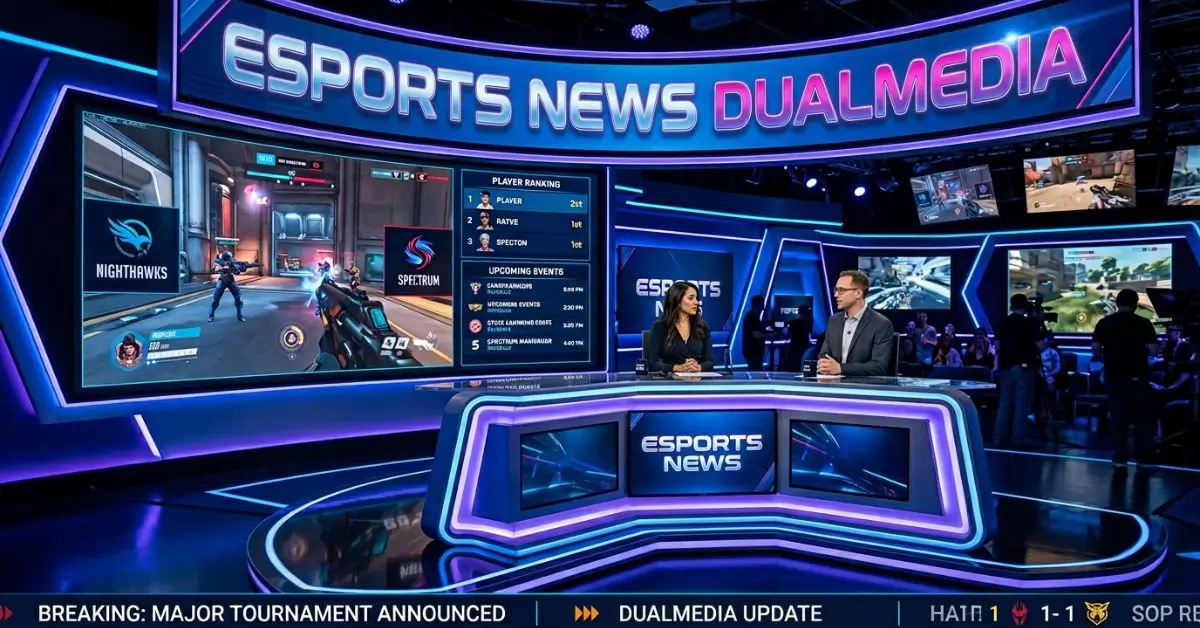
Keeping up with esports is not as simple as following one league or one game anymore. The competitive gaming world spans dozens of titles, hundreds of tournaments, thousands of players, and multiple regions all running simultaneously. News breaks fast. Roster changes happen overnight. Tournament results shift standings in hours.
For fans who want to stay genuinely informed rather than just catching highlights after the fact, finding a reliable, focused esports news source makes a real difference. That is where platforms like esports news dualmedia enter the picture.
If you have come across the name and want to understand what it covers, how it approaches esports journalism, and whether it belongs in your regular media rotation, this guide gives you a clear and honest answer.
Esports news dualmedia is a competitive gaming media platform focused on delivering news, analysis, tournament coverage, and player updates across major esports titles and leagues. It serves esports fans, competitive players, and industry followers who want reliable, up-to-date information about the competitive gaming world without having to piece together coverage from multiple scattered sources.
Esports news dualmedia is an esports media platform covering competitive gaming news, tournament results, player movements, and industry developments. It is designed for fans and followers who want focused, reliable esports coverage in one place. Read on for a full breakdown of what it covers, how it works, and how it fits into the esports media landscape.
Esports has grown from a niche hobby into a global industry worth billions of dollars. Major tournaments now fill arenas. Professional players sign contracts worth hundreds of thousands of dollars. Brands from outside gaming, including car manufacturers, energy drink companies, and financial services firms, sponsor teams and events at scale.
With that growth comes a demand for serious, consistent journalism. Esports fans do not just want highlight clips. They want roster analysis, tournament previews, trade breakdowns, and informed commentary on where the industry is heading.
The problem is that esports news is fragmented. Coverage is spread across Reddit threads, Twitter accounts, YouTube channels, official game developer blogs, and dozens of independent media outlets. Following all of them takes more time than most fans have.
A focused esports media platform that aggregates and produces quality coverage across multiple titles solves that problem. It becomes the central hub where fans check in daily to stay current without the noise of searching across a dozen sources.
The platform covers competitive gaming across several key areas. Here is what you can expect to find.
Tournament News and Results
Tournament coverage is the backbone of any serious esports media operation. The platform covers major competitions across titles, providing results, standings, bracket updates, and match analysis. Whether it is a regional qualifier or a world championship event, tournament news is where most fans start their daily check-in.
For context, a fan following Valorant Champions Tour or the League of Legends World Championship needs consistent, accurate bracket updates and match analysis to follow the competition meaningfully. A platform that delivers this reliably becomes essential during major event seasons.
Roster Moves and Player News
Player transfers, team signings, and roster changes are some of the most-read content in esports media. The competitive gaming industry moves quickly, and a star player moving to a rival team can shift the entire competitive landscape for a title overnight.
Esports news dualmedia tracks these movements across major titles, giving fans the context they need to understand what roster changes mean for team performance and upcoming tournaments.
Game Updates and Meta Changes
In competitive gaming, balance patches and game updates directly affect tournament play. A patch that nerfs a dominant character or buffs an underused strategy changes what teams practice and what strategies appear in competition. Covering these updates in the context of competitive play is something specialized esports media does better than general gaming outlets.
Industry and Business News
Beyond the games themselves, the esports industry has a business side that affects everything fans see on screen. Team valuations, league structures, broadcast deals, sponsorship announcements, and organizational changes all shape the competitive environment. Covering this side of esports gives fans a fuller picture of how the industry actually works.
Player Profiles and Interviews
Getting to know the players behind the competitive performances is part of what makes following esports engaging. In-depth profiles, interviews, and human interest coverage build the connection between fans and the athletes they follow. This content adds depth to what would otherwise be purely results-driven coverage.
What separates good esports media from average coverage is not just what is covered but how it is covered. Here is what characterizes the platform’s approach.
Speed Without Sacrificing Accuracy
Esports news breaks fast. Being first matters in competitive gaming media, but being first with wrong information damages credibility quickly. The platform balances speed with accuracy, prioritizing verified information over being the first to publish an unconfirmed rumor.
Multi-Title Coverage
Many esports outlets focus heavily on one or two titles. A platform with genuine multi-title coverage serves a broader audience and gives fans who follow multiple games a single destination rather than requiring them to follow separate outlets for each game they care about.
Major titles covered in the competitive gaming space include League of Legends, Valorant, Counter-Strike 2, Dota 2, Rocket League, and fighting game titles. Coverage that spans these games and others serves the full range of competitive gaming fans.
Context and Analysis, Not Just Results
Reporting a score is easy. Explaining why a team won, what strategic decisions defined the match, and what the result means for standings and tournament trajectories requires real knowledge of the game and the competitive scene. Analysis-driven coverage is what keeps fans coming back beyond the immediate news cycle.
Accessible to Fans at Different Levels
Not every esports fan is a deep expert in every title they follow. Good esports journalism explains competitive context clearly enough that a casual fan can follow along while still offering enough depth to satisfy someone who watches every match.
Understanding the audience the platform serves helps you decide how well it fits your own interests and habits.
Dedicated Esports Fans
People who watch competitive gaming regularly and want to stay informed between events are the core audience. They check in for roster news, tournament previews, and match analysis as part of their regular media consumption.
Competitive Players
Amateur and semi-professional players who compete in their own right follow esports news not just as fans but as students of the game. Understanding what strategies top teams are using, what meta shifts are happening, and how the competitive landscape is developing informs their own practice and approach.
Fantasy Esports Participants
Fantasy esports has grown significantly as the industry has scaled. Participants making picks for fantasy leagues need reliable, current information about player form, roster status, and tournament format to make informed decisions. Esports news platforms are essential tools for serious fantasy participants.
Industry Professionals
Agents, team managers, coaches, brand managers, and others working in the esports industry follow media coverage as part of their professional responsibilities. Staying current on competitor moves, player availability, and industry developments is part of the job.
General Sports Fans Exploring Esports
As esports has grown into mainstream awareness, traditional sports fans have become curious about competitive gaming. A platform that explains esports clearly without assuming deep prior knowledge serves this growing audience well.
| Platform Type | Coverage Depth | Multi-Title | Analysis Quality | Update Speed |
|---|---|---|---|---|
| Official Game Developer Channels | High for own game only | No | Low | Fast |
| General Gaming News Sites | Medium | Yes | Low to Medium | Fast |
| Reddit and Community Forums | Variable | Yes | Variable | Very Fast |
| Specialized Esports Media (Dualmedia) | High | Yes | High | Fast |
| YouTube Esports Channels | Medium | Varies | Medium | Medium |
As the table shows, specialized esports media platforms like dualmedia offer the best combination of coverage depth, multi-title reach, and analysis quality. The trade-off compared to community forums is that professional media moves slightly slower in exchange for greater accuracy and editorial quality.
Whether you are new to following esports media or looking to get more from your current habits, these approaches help.
Follow Around Tournament Seasons
Esports news is not equally distributed throughout the year. Coverage intensifies around major tournament seasons and world championship events. Following esports media more closely during these periods and using it for context and analysis rather than just results gives you the deepest understanding of what you are watching.
Use Multiple Sources for Major News
For significant roster moves or major industry developments, cross-reference across multiple outlets. Esports rumors sometimes circulate before they are confirmed, and checking multiple sources helps you distinguish verified news from speculation.
Engage With Analysis Content
Match results tell you who won. Analysis content tells you why and what it means going forward. Prioritizing analysis pieces over purely results-based content builds a deeper understanding of the competitive scenes you follow.
Set Up Notifications for Breaking News
If you follow specific titles closely, setting up notifications from reliable esports news sources means you catch significant developments quickly rather than finding out days later. Most dedicated esports platforms offer newsletter subscriptions or social media channels that push breaking news as it happens.
Esports has grown into a serious global sport with journalism to match. Platforms like esports news dualmedia fill a real need for fans who want more than highlights, deeper coverage, honest analysis, and reliable information delivered consistently across the titles and events they care about.
Whether you are a long-time esports follower or someone just getting into competitive gaming, having a reliable media source in your regular rotation makes the experience significantly richer. You understand more of what you are watching, stay current between events, and follow the storylines that make competitive gaming genuinely compelling.
If this guide was useful, explore our related articles on how to get started following esports and the best platforms for watching live competitive gaming. Both give you practical next steps for building a stronger esports following habit.
It is a competitive gaming media platform covering tournament news, player updates, roster changes, and game analysis across major esports titles, all in one place.
Major titles including League of Legends, Valorant, Counter-Strike 2, Dota 2, and Rocket League, along with broader esports industry news and developments.
Core news and coverage is generally free. Check the platform directly for details on any premium tiers or newsletter options.
It focuses specifically on competitive gaming, going deeper into roster moves, tournament analysis, and league coverage that general gaming outlets typically do not prioritize.
Multiple times daily during tournament seasons and several times per week during quieter periods, keeping pace with how fast esports news moves.